
As we get older, maintaining independence becomes a major priority for many. Family members often want to support this desire but also worry about safety and well-being. This creates a common challenge for families everywhere. I see this concern regularly among people looking for practical solutions.
Modern technology offers powerful ways to address these needs through elderly home monitoring. These systems can provide a crucial layer of safety and reassurance for both seniors and their loved ones. They help keep an eye on things without feeling overly intrusive.
My goal is to simplify this topic for your family. I will explore various options and explain how they can work for different situations. We want to ensure our elders stay safe and comfortable in their own homes for as long as possible.
Understanding the Core Needs for Elderly Home Monitoring
When families consider elderly home monitoring, they usually focus on a few key areas. The main objective is always to enhance safety and provide peace of mind. Nobody wants to worry constantly about a loved one living alone.
Beyond basic safety, maintaining a senior’s independence is incredibly important. Many older adults cherish their ability to live in their own homes. Monitoring systems can help support this autonomy by offering a safety net without requiring a full-time caregiver. This balance between freedom and security is what many families aim for.
Another crucial need is timely health response. Unexpected falls, sudden illnesses, or forgotten medications can quickly become serious. An effective monitoring system can alert family members or emergency services immediately. This fast action can make a real difference in outcomes and can even save lives.
I have seen firsthand how much stress is relieved when families know there is a system in place. It changes the dynamic from constant anxiety to a confident sense of protection. That feeling is truly invaluable. We need to look at specific needs before picking a system.
Prioritizing Safety and Well-being
Safety is the primary driver for elderly home monitoring. We want to prevent accidents or ensure quick help arrives if one does occur. This includes detecting falls, monitoring exits, and even checking on medication adherence. The technology serves as an extra pair of eyes and ears. It works quietly in the background.
Well-being extends beyond physical safety to emotional comfort. Knowing that help is readily available can reduce feelings of isolation and fear for seniors. It empowers them to continue their routines with confidence. For families, this translates into less worry during their own daily lives. These systems are not just for emergencies, but for everyday reassurance too.
Types of Technology for Elderly Home Monitoring Simplified
The market for elderly home monitoring systems has grown rapidly. Many different technologies now exist to suit various needs and budgets. It is not just about a simple panic button anymore. We have many choices. This variety allows families to tailor a solution that truly fits their specific situation.
From simple alert devices to complex smart home setups, the options cover a wide spectrum. I often tell families to start by listing the key challenges their senior loved one faces. Do they have a history of falls? Are they prone to wandering? Do they struggle with medication schedules? The answers help narrow down the best tech. We can pick what matters most to them.
Personal Emergency Response Systems (PERS)
These systems are perhaps the most well-known form of elderly monitoring. They involve a wearable device, usually a pendant or a wristband, with a button that connects to a monitoring center or family members. When the button is pressed, help is dispatched. Some advanced PERS devices also include automatic fall detection, which is a great feature for seniors at high risk.
The simplicity of a PERS device is its greatest strength. It is easy to use and provides direct access to help with minimal effort. This makes it a popular choice for many families. They offer peace of mind with a single button press. This allows seniors to feel safe anywhere in the house.
Smart Devices and Environmental Monitoring
Smart home technology offers a more integrated approach to elderly home monitoring. Motion sensors can track activity patterns, noting unusual inactivity or late-night wandering. Smart lights can turn on automatically, preventing trips and falls in the dark. Smart door locks can alert family members if a door is left open. These systems give a fuller picture of daily life.
Temperature sensors can ensure the home environment is safe and comfortable. Carbon monoxide detectors and smoke alarms can also be integrated. Video monitoring can be used in common areas with permission. It provides visual checks but always consider privacy. This type of monitoring creates a safer living space.
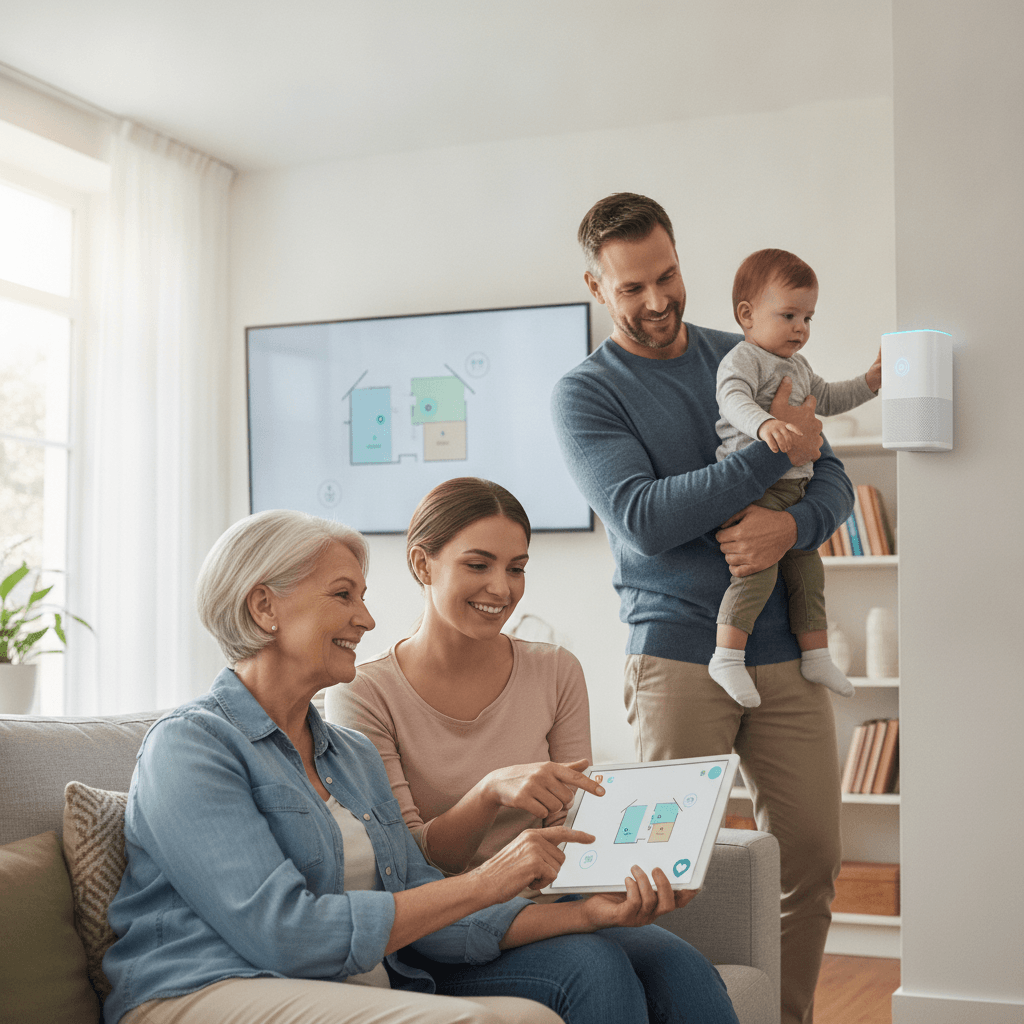
These devices can often be controlled and monitored remotely through a smartphone app. This means family members can check in from anywhere. This level of oversight helps families feel connected and informed about their loved one’s well-being without being physically present 24/7. It is a powerful way to simplify care.
Benefits of Modern Elderly Home Monitoring for Your Family
The advantages of implementing modern elderly home monitoring systems extend far beyond just basic safety. I have seen how these solutions can genuinely improve the quality of life for seniors and their families. It brings real comfort to everyone involved. These benefits often surprise people who are new to the technology.
One of the biggest benefits is the profound sense of peace of mind it provides. Knowing that a system is actively watching over a loved one, ready to alert someone if needed, eases the constant worry many families feel. This allows adult children to focus on their own lives with less stress. It helps them enjoy time with their parents more fully.
Supporting Independence and Dignity
Elderly home monitoring solutions play a major role in allowing seniors to maintain their independence. They can continue living in their familiar surroundings for longer. This is often a strong desire for older adults. The systems give them the freedom to live autonomously while ensuring a safety net is always present. This respects their dignity and choices.
The goal is not to replace human interaction but to augment it. These tools empower seniors to age in place with confidence. They know that help is just a button press or an alert away. This helps foster a sense of security and self-reliance.
Early Detection and Proactive Care
Modern monitoring systems are designed for early detection of potential issues. This could be anything from a change in a senior’s walking pattern to an unusual amount of time spent in bed. These subtle shifts might indicate a developing health problem. The system can flag these anomalies for caregivers. This allows for proactive intervention.
Imagine a fall being detected instantly, rather than hours later. Or a forgotten stove being identified before it becomes a fire hazard. These systems provide critical data and alerts. They enable families to act quickly. This often prevents minor incidents from escalating into major crises. Such proactive care truly simplifies elderly home monitoring insights for families and caregivers alike.
Choosing the Right Elderly Home Monitoring System
Selecting the perfect elderly home monitoring system can feel daunting because of the many choices available. I always advise families to approach this decision systematically. It is about finding a solution that fits the specific needs of the senior and the family. One size does not fit all in this situation. Consider all factors carefully.
Start by honestly assessing the senior’s current health status and daily routines. Are they generally active with few health issues? Do they have a history of falls or memory concerns? Understanding these details guides the search. It ensures you select features that will actually be used and valuable.
Consider the senior’s comfort level with technology. Some might prefer a simple button, but others are open to smart devices. Involve them in the decision-making process whenever possible. This increases their willingness to use the system. It helps ensure successful adoption.
Key Factors to Consider
- Specific Needs: Does the senior need fall detection, medication reminders, or activity tracking?
- Ease of Use: Is the system intuitive for the senior and easy for family members to manage?
- Reliability: How well does the system perform? Are there backup power options?
- Privacy: What data is collected? Who has access to it?
- Cost: Look at initial setup fees and ongoing monthly subscription costs.
These factors help narrow down the options. I find that a checklist helps families stay organized. It makes the comparison process much clearer. You want a system that works, and that everyone feels comfortable with every single day.
Setting Up and Managing Your Monitoring System with Ease
Once you have chosen an elderly home monitoring system, the next step is installation and ongoing management. Many systems are designed for easy setup, but it helps to have a clear plan. My advice is to involve the senior in this process as much as they are able. This helps them feel more comfortable and in control.
Start with the basics. Ensure all devices are charged or plugged in correctly. Follow the manufacturer’s instructions for connecting to Wi-Fi or cellular networks. Test all features immediately. Make sure that emergency contacts receive alerts properly. This early testing can prevent issues later on.
Installation Best Practices
For systems with sensors, think about placement carefully. Motion sensors should cover key areas like hallways, bedrooms, and bathrooms. Ensure they are not blocked by furniture. Cameras, if used, should be in common areas with explicit consent. Remember that consent is vital for a good relationship. This respects privacy.
If the system includes medication dispensers, program them accurately. Show the senior how to use them. Walk them through each step. Practice the steps a few times. This builds confidence. We want them to feel good about the new technology in their home.
Ongoing Management and Support
Management means regular check-ins. Periodically test the system to confirm it is still functioning correctly. Check battery levels on wireless devices. Update emergency contact information as needed. Familiarize yourself with the system’s app or online portal. This ensures you can access information when you need it.
Also, encourage the senior to provide feedback. Are there aspects of the system they find confusing? Do they feel comfortable using it? Their input is essential for making adjustments and ensuring the system truly helps them. We are always learning what works best in practice. This makes the system better over time.
The Future of Elderly Home Monitoring Solutions
The field of elderly home monitoring is always evolving. New technologies and advancements are making these systems even smarter and more helpful. I see a future where monitoring is not just reactive but also highly proactive. This will offer even greater peace of mind for families.
Artificial intelligence and machine learning are playing a bigger role. These technologies can analyze patterns in a senior’s daily activities. They can learn what is normal for an individual. Then they can identify subtle deviations that might signal a problem before it becomes serious. This could be a change in sleep patterns, eating habits, or mobility. AI can pick up on these things.
For example, if a senior typically wakes up at 7 AM but on a given day is still in bed at 10 AM, an AI-powered system could flag this as unusual. It could then send an alert. This type of predictive analysis moves beyond simply reacting to an emergency. It helps prevent issues by spotting early warning signs. We are looking at smart homes that truly understand our loved ones. This level of care is very exciting to me.
Seamless Integration and Wearable Advancements
I expect to see more seamless integration of monitoring systems with broader healthcare platforms. Imagine a system that can not only detect a fall but also automatically share relevant health data with their doctor or emergency services. This creates a more coordinated care experience. It removes barriers in communication.
Wearable technology will also become more sophisticated and less intrusive. Smartwatches and other discreet devices can continuously monitor vital signs, activity levels, and even sleep quality. These devices will gather data without the senior feeling like they are wearing a medical device. They will blend into everyday life. This means seniors can stay connected and monitored without feeling burdened. The future promises greater ease and effectiveness for everyone.
Conclusion: Embracing Simplified Elderly Home Monitoring for a Brighter Future
I believe that embracing modern elderly home monitoring is a crucial step for many families today. It is about more than just installing a device. It is about creating a supportive environment where seniors can live safely and independently, and where their families can enjoy genuine peace of mind. We have explored the fundamental needs these systems address, from basic safety to maintaining personal autonomy. We have also looked at the diverse range of available technologies, from simple PERS devices to advanced smart home integrations. The benefits are clear and compelling. They offer early detection, proactive care, and a significant reduction in caregiver stress. Choosing the right system means carefully assessing individual needs, considering ease of use, and prioritizing reliability and privacy. With thoughtful setup and ongoing management, these systems can seamlessly become a part of daily life. The future holds even more promise with advancements in AI and integrated care. I encourage every family to explore these options. Find a solution that brings comfort and security to your loved ones. This investment in monitoring helps ensure a brighter, safer future for our elders.