

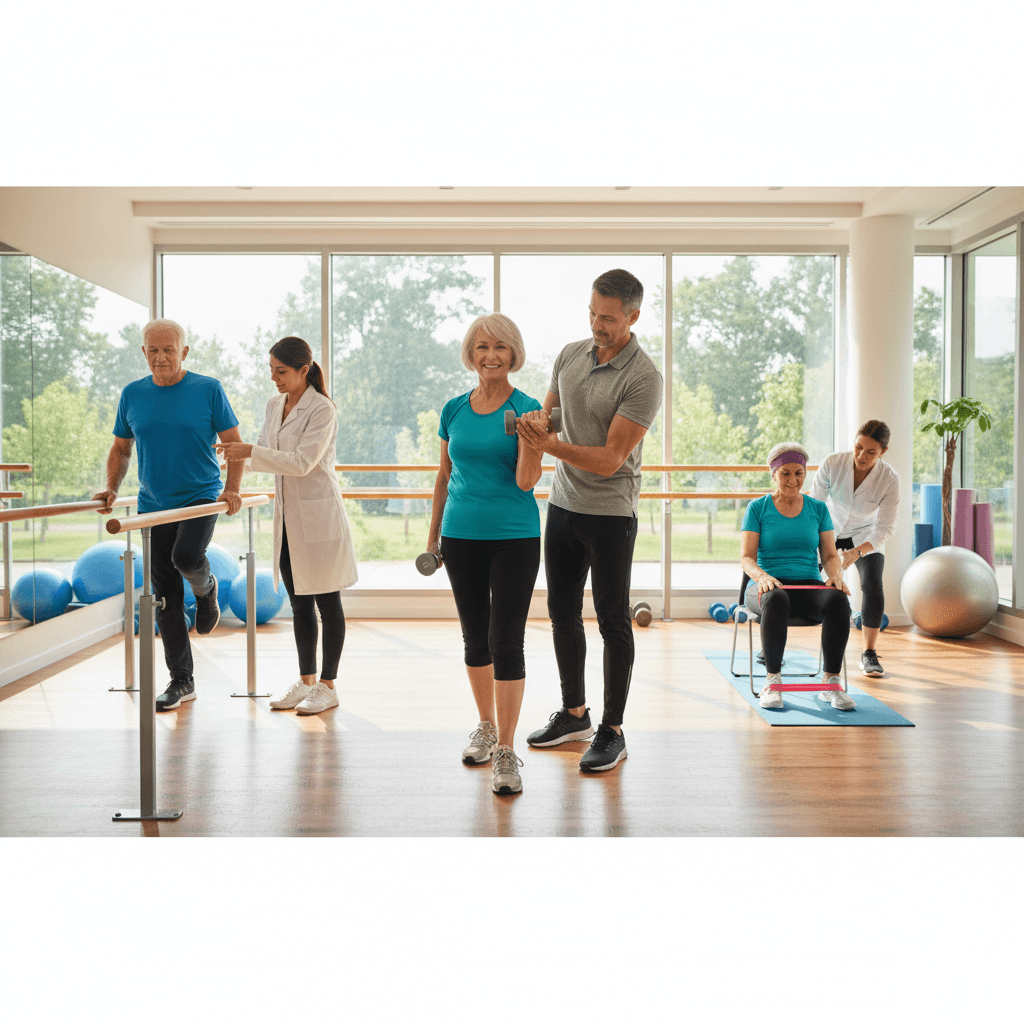
Starting a fitness plan later in life can feel both exciting and a little nerve wracking. With the right approach you can gain strength, maintain independence, and lower risk of injury. This article lays out clear, practical steps to help older adults exercise with confidence while keeping safety front and center.
If you want a quick checklist for planning a program that fits common medical concerns and daily life, see senior fitness and safety for an easy reference. The ideas below expand on that checklist with action steps, examples, and simple ways to track progress.
Why safety matters in senior exercise and the main risks to watch for
Physical activity lowers risk of chronic illness and supports quality of life. At the same time older bodies may have slower recovery times, joint limitations, or medication side effects that change balance and energy. One common statistic to keep in mind is that about one in four older adults falls each year. Fall related injuries can lead to long periods of reduced mobility.
Recognizing the main risks helps you plan around them. Key concerns include poor balance, muscle weakness, low bone density, heart related symptoms, and medication reactions. A safety plan reduces those risks while still letting you reap benefits like better mood, improved sleep, and stronger muscles.
Getting medical clearance and setting realistic goals
Before starting a new routine consult your primary clinician especially if you have heart disease, diabetes, recent surgery, or uncontrolled blood pressure. A short exam and a list of safe activity levels can keep you from overdoing it in the first weeks. Bring a list of current medications because some drugs affect balance, heart rate, or hydration.
Set clear goals that fit daily life. Examples include walking 20 minutes three times a week, being able to rise from a chair without hands, or doing two strength sessions each week. Break a big aim into 4 week milestones. Small wins build confidence and make it easier to keep exercising long term.
Building a balanced routine for strength flexibility and endurance
A balanced weekly plan blends three elements strength training mobility and aerobic work. Aim for at least 150 minutes of moderate aerobic activity per week split across most days and two nonconsecutive days of muscle strengthening. Those are practical targets that protect joints while improving stamina.
Strength training tips
Start with bodyweight moves and light resistance bands before moving to hand weights. Key exercises to include are sit to stand, wall push ups, step ups, and seated rows with a band. Aim for two sets of 8 to 12 repetitions once you can complete a set with good form. Increase load slowly when a set begins to feel easy on two consecutive sessions.
Flexibility and balance work
Simple stretches held for 20 to 30 seconds help maintain range of motion in shoulders hips and calves. For balance, practice standing on one foot near a sturdy surface for support. Progress to tandem walking and heel to toe steps. Adding short balance sessions three times per week lowers fall risk and makes daily tasks safer.
Warm up cool down and recognizing warning signs
Before exercise start with a five to ten minute warm up such as marching in place gentle arm swings and ankle circles. Warming up raises muscle temperature and lowers injury risk. After exercise take five to ten minutes to slow down with light walking and gentle stretching to help circulation and reduce stiffness.
Know when to stop and seek help. Warning signs that need attention include chest pain sudden breathlessness dizziness a rapid irregular heartbeat or new numbness. Mild muscle soreness that fades in a couple of days is normal. Sharp joint pain or swelling is not and should prompt rest and medical review.
Fall prevention strategies at home and outdoors
Reducing environmental hazards is a big part of staying active safely. Look at frequently used spaces and take action. Remove loose rugs and cords keep walkways well lit and install grab bars near steps and in the bathroom. For outdoor walks wear shoes with firm soles and an enclosed heel and choose even surfaces when possible.
- Carry a mobile phone and let a friend know walking plans when going alone
- Use a walking pole for extra balance on uneven ground
- Consider a lightweight cane after discussing fit with a clinician or therapist
Small changes in the environment often yield immediate safety gains which support ongoing activity. If a fall has occurred in the past get a professional home safety assessment to identify less obvious dangers like poor stair lighting.
Using equipment and modifications for common conditions
Equipment choices can make exercise safer and more comfortable. Resistance bands are low impact and portable. Chairs that sit at a comfortable height allow safe seated strength and balance work. Pool exercise provides buoyancy that reduces joint stress and makes movement easier for those with arthritis.
Modify exercises to match medical conditions. For example if you have knee pain focus on hip strength and low impact aerobic work such as cycling or pool walking. For balance issues favor seated or supported versions of exercises while adding short balance drills. If tightness limits range perform gentle mobility drills before strength work.
Staying motivated tracking progress and building social supports
Motivation is easier when you measure something and enjoy the process. Keep a simple log of minutes exercised resistance used and how you felt after the session. Weekly totals give feedback and show progress when gains are gradual. Celebrate milestones like a month of consistent activity or increased number of steps per walk.
Joining a group class aimed at older adults or finding a walking partner brings social benefits that make it more likely to continue. Community centers and local Y programs often offer low cost classes for older adults. If group settings are not comfortable select a trusted caregiver or friend to join a routine so you have accountability and company.
- Set time of day for exercise and treat it like an appointment
- Use a pedometer or simple smartphone step counter to set incremental step goals
- Reward progress with non food items such as a new water bottle or comfortable shoes
How to handle setbacks and keep long term gains
Setbacks happen when illness travel or minor injuries interrupt routines. The goal is return not perfection. If sidelined reduce intensity and perform gentle mobility sessions until ready to add more. Schedule shorter bouts of activity on low energy days rather than skipping entirely. That keeps muscles engaged and makes regaining previous levels easier.
When pain limits activity consult a physiotherapist for targeted exercises that move you toward independence. Rehab sessions can remove barriers and restore confidence so you can resume a regular plan.
Regular medical check ins help adjust activity as health status changes. Update your clinician about new symptoms and review medications annually with a pharmacist to identify agents that affect balance or heart rate. Small tweaks such as timing medications to avoid peak side effects and staying hydrated can make a large difference in daily function.
By combining common sense safety steps with a plan that targets strength balance and stamina older adults can remain active and independent well into later decades. Start slow build gradually and consult professionals when uncertainty arises. Track progress celebrate small wins and make adjustments when setbacks occur. If you would like a concise set of practical tips to keep on hand visit the linked page earlier in this article for a short checklist that pairs with the strategies here.
Conclusion
Getting fit as you age is both possible and worthwhile. The right blend of medical guidance structured exercise and sensible safety measures reduces injury risk while improving strength mobility and mood. Start with medical clearance set modest goals and focus on three pillars strength flexibility and aerobic activity. Add simple home safety upgrades practice balance work and choose equipment that fits your needs. Track progress and build social support to stay consistent. When setbacks occur scale back temporarily and use targeted recovery strategies to return to your plan. Small steady gains compound into meaningful improvements in daily life.
Take one practical step today. Pick a safe 10 to 20 minute activity you enjoy and do it three times this week. Note how you feel afterward and adjust pace rather than intensity. If you need a short printable checklist to give to a clinician or family member revisit the linked resource above and use it to start a conversation about safe activity goals. Staying active is a key ingredient to maintaining independence and quality of life so begin with a sensible plan and keep moving forward.


